
custom laminated glass
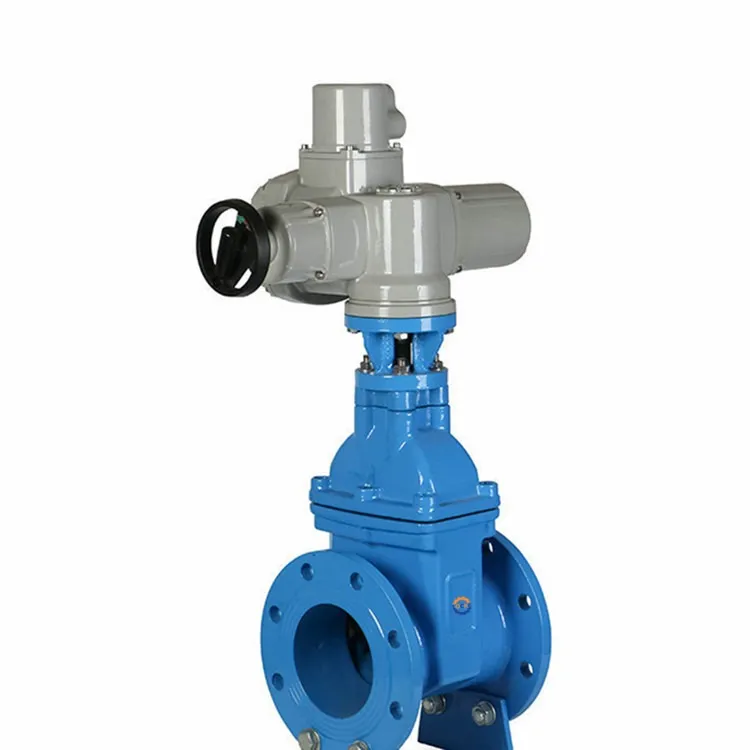
How to Replace Your Main Water Valve Shut Off A Step-by-Step Guide A main water valve shut off is a crucial component of your home’s plumbing system. It controls the flow of water into your home, ensuring that you can easily turn off the water during emergencies or when conducting repairs. Over time, these valves can wear out, leak, or become difficult to operate. Learning how to replace your main water valve shut off can save you money on plumbing bills and give you greater control over your home’s water supply. Why You Should Replace Your Main Water Valve Shut Off There are several reasons why you might need to replace your main water valve shut off. One of the most common issues is wear and tear that leads to leaks. A leaking valve can waste water and potentially lead to more significant plumbing issues if not addressed promptly. Additionally, if your valve is old or corroded, it may become almost impossible to turn off, which can be a serious problem during a plumbing emergency. Tools and Materials Needed Before you begin the replacement process, gather the following tools and materials - Adjustable wrench - Pipe wrench - Teflon tape - Replacement valve (make sure to get the right size) - Bucket or towel (to catch any water that may spill) Step-by-Step Process 1. Turn Off the Water Supply Before you do anything, locate your main water supply and turn it off. This is often found at the meter outside your home . If you cannot locate it, call your local water utility for assistance. replace main water valve shut off 2. Drain Your Pipes To avoid a mess, open your faucets and let the water drain from your pipes. This step is crucial, as it minimizes the water that may leak when you remove the old valve. 3. Locate the Main Shut-Off Valve Typically, this valve is found near where the water line enters your home, often in the basement or crawl space. 4. Remove the Old Valve Using the adjustable and pipe wrenches, carefully loosen the nuts and bolts attaching the valve to the pipe. Be cautious as you do this; there may still be residual water in the pipes. 5. Prepare the Pipe Once the old valve is removed, inspect the copper or PVC pipe for any damage. Clean the threads on the pipe where the valve was attached, ensuring that there is no old tape or debris. 6. Install the New Valve Wrap Teflon tape around the threads of the pipe to ensure a watertight seal. Attach the new shut-off valve to the pipe, tightening it with the wrench but being careful not to over-tighten, as this can cause damage. 7. Test the Installation Before reassembling everything, it’s a good idea to test the valve. Slowly turn the water supply back on, and check for any leaks around the new shut-off valve. If everything looks good, you can then fully turn the water back on and check the faucet. 8. Final Checks Once you’re satisfied with the installation, clean up your workspace, and store your tools. Make sure to inform all household members of the new valve’s location and operation. Conclusion Replacing your main water valve shut off is a manageable DIY task that can safeguard your home and improve your water control. With the right tools and preparation, this task can be accomplished in just a few hours. Regular maintenance and inspections of your valves can lead to fewer plumbing problems down the road. If you feel at any point that this task is beyond your skill level, it’s wise to consult or hire a professional plumber. By taking control of your plumbing repairs, you can maintain a functional and efficient home.
about
custom laminated glass
Understanding the Taper Gauge Set A Comprehensive Overview In many industrial and engineering applications, precision measurement is vital. One of the tools that facilitate this accuracy is the taper gauge set. This essential instrument plays a significant role in ensuring components meet specific tolerances and fit requirements, especially in machining and manufacturing. What is a Taper Gauge Set? A taper gauge set is a collection of tapered gauges used to measure the internal and external dimensions of various components. The design of these gauges allows them to fit into narrow openings and irregular shapes, making them invaluable in the inspection process. The gauges typically come in various sizes and tapers to accommodate different applications, providing flexibility to meet the needs of various industrial processes. Features and Components A standard taper gauge set consists of several different pieces, each with a specific taper and measurement range. They are usually made from durable materials, such as stainless steel or hardened steel, to withstand wear and tear in workshop environments. The gauges are often graduated with clear markings, enabling users to read measurements accurately. The tapers in the set are designed to slide into holes or grooves, allowing for a precise determination of the width or depth of the cavity being measured. The taper shape also ensures that the gauge can grip the sides of the hole, which helps in keeping the gauge stable during measurement. Applications of Taper Gauge Sets Taper gauge sets find applications in a wide range of industries, including automotive, aerospace, manufacturing, and construction. In automotive manufacturing, for example, these gauges are crucial for measuring the internal diameters of engine blocks, cylinder heads, and other critical components. Accurate measurements ensure that parts fit together properly, preventing mechanical failures. In aerospace, where tolerances can be incredibly tight and critical to flight safety, taper gauges help engineers verify the dimensions of various aircraft components. Ensuring that parts fit together with precision is vital to maintaining safety standards and performance specifications. Furthermore, in the manufacturing sector, taper gauge sets are used for quality control during the production process. They assist in confirming that produced parts meet the design specifications, thereby reducing waste and ensuring customer satisfaction with the final product. Advantages of Using Taper Gauge Sets taper gauge set The primary advantage of taper gauge sets is their ability to provide precise measurements in hard-to-reach places. Their tapered design allows them to access areas where traditional measurement tools may not fit, ensuring that no aspect of the part is overlooked. Moreover, taper gauges can help improve efficiency in both measurement and inspection processes. Traditional methods of measurement may require multiple tools or techniques, while a taper gauge set can often accomplish the task with a single tool. This not only saves time but also reduces the potential for human error in the measurement process. Best Practices for Using Taper Gauge Sets To maximize the effectiveness of a taper gauge set, users should follow a few best practices 1. Calibration Regularly check and calibrate the gauges to ensure accuracy. This is especially important in environments where measurements are critical. 2. Cleanliness Keep the gauges clean and free from debris or contaminants, as these can affect measurement accuracy. 3. Gentle Handling Always handle the gauges with care to prevent bending or damage, which can lead to inaccurate measurements. 4. Correct Selection Use the appropriate gauge for the specific measurement task. Every gauge has specific sizes and tapers, so selecting the right one is crucial for obtaining accurate results. 5. Record Measurements Document readings accurately for quality assurance and future reference, helping to track changes and maintain consistency in manufacturing processes. Conclusion Taper gauge sets are indispensable tools in various industries that require precise measurements of internal and external dimensions. Their ability to access tight spaces and provide accurate readings makes them a vital asset for quality control and engineering processes. By understanding the features, applications, and best practices associated with taper gauge sets, professionals in engineering and manufacturing can enhance their measurement accuracy and ensure the success of their projects. As technology advances, the design and functionality of taper gauge sets may continue to evolve, promising even greater precision and utility in the future.
-

High quality industrial productsagement

High quality industrial products
View Details -

Meet the diverse needs of customers

Meet the diverse needs of customers
View Details -

Strict quality control

Strict quality control
View Details -

Top raw materials

Top raw materials
View Details -

Trusted supplier

Trusted supplier
View Details
Our application


news and information
water gate valve
The water globe valve is a pivotal component in fluid control systems, lauded for its versatility, p
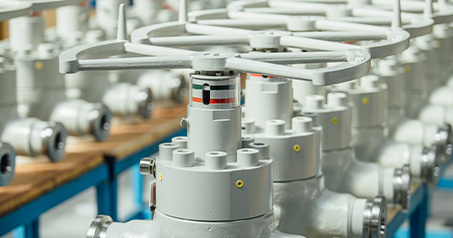
valve metal
The Significance of Valve Metals in Modern Technology Valve metals play a crucial role in various in
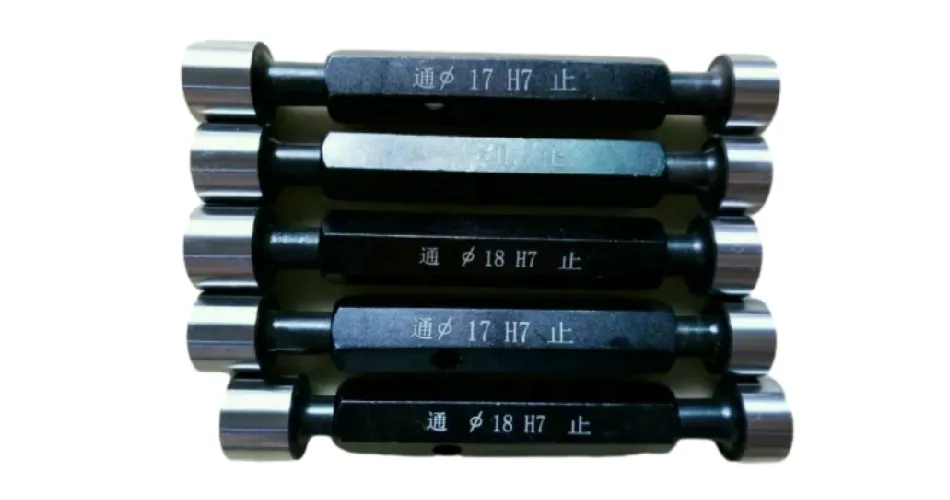
Versatile Adjustable Thread Ring Gauge for Precision Measurement and Quality Control in Manufacturin
Understanding Adjustable Thread Ring Gauges In the world of precision engineering and manufacturing,
 English